County Durham: gardens, parks and local help
From the city's gardens below the cathedral to colliery villages, the coast at Seaham and high gardens in the Dales, County Durham covers a lot of growing conditions.
Gardening in County Durham
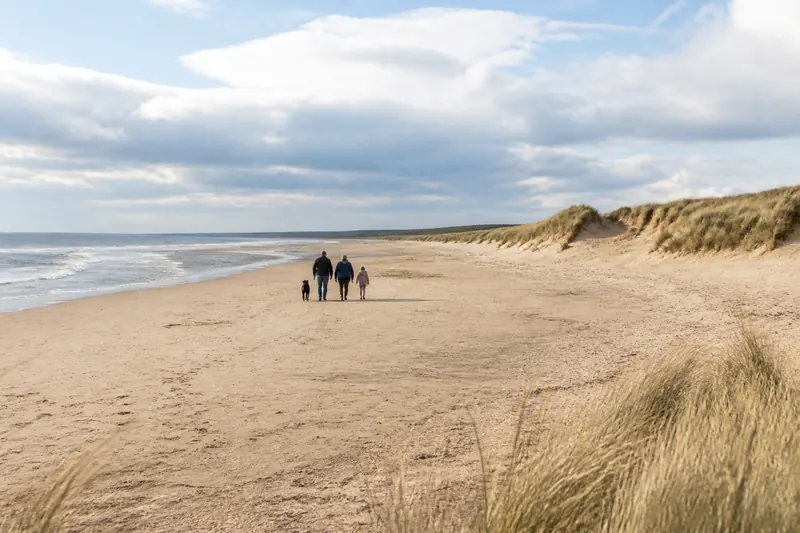
The Dales in the west are higher, colder and wetter than the lowlands, with a shorter growing season and later frosts; choose hardy plants and give new lawns and hedges an autumn start where you can. In the east, the coast brings wind, and parts of east Durham sit on magnesian limestone with lighter, more alkaline soils.
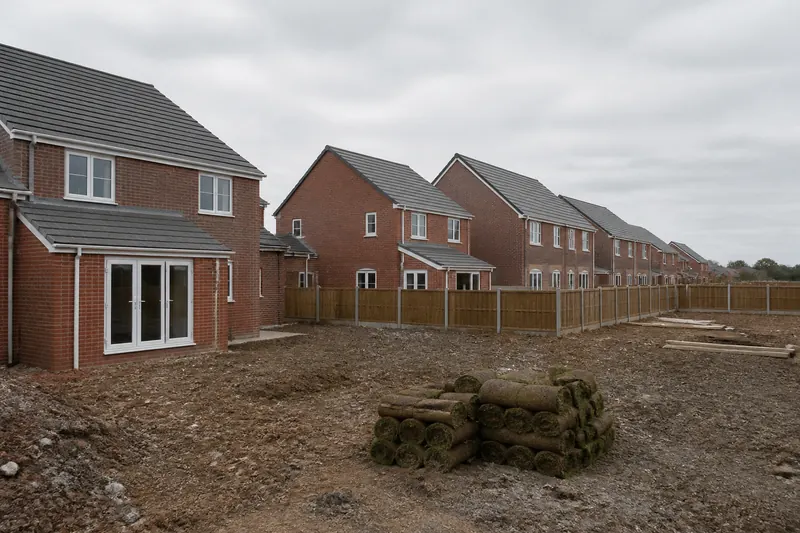
Much of the middle of the county is heavy clay. Former mining villages often have terraced homes with compact yards, while newer estates around Durham and the larger towns bring the usual new-build issues of compacted ground and thin topsoil.
The county has some of the region's best gardens to visit: Raby Castle's walled gardens, The Bowes Museum's park and gardens at Barnard Castle, Crook Hall Gardens in the city and Durham University Botanic Garden. Hamsterley Forest is the place for a long walk. Durham County Council's website has details of garden waste collections.
Gardens to visit
-
Crook Hall Gardens
-
Raby Castle, Park and Gardens
Walled gardens redesigned and reopened in 2024.
-
The Bowes Museum Park and Gardens
-
Durham University Botanic Garden
Parks, beaches and outdoors
-
Hamsterley Forest
Nurseries, trees and design
-
Arbor Division Ltd
Wildlife, community and allotments
-
Durham Wildlife Trust
Across the region
-
Eves and Lewis Landscape Design
-
Groundwork North East and Cumbria
-
North East Family Fun
-
Living North