Decking
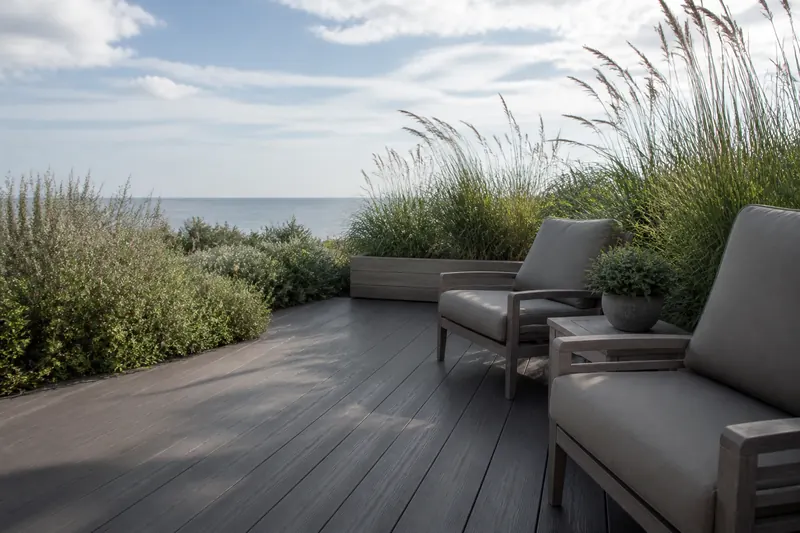
A deck can turn a sloping or soggy patch of garden into somewhere you actually sit. Getting it right here means thinking about wind, shade and wet ground as much as the boards on top.
Decking guides
Where to put a deck
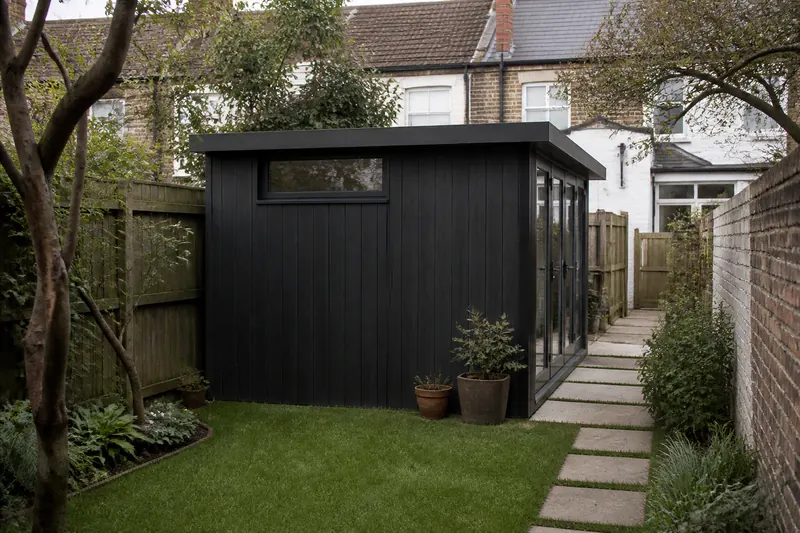
Many Tyneside terraces and semis have north-facing back gardens, where the spot nearest the house is in shade for much of the day. A deck at the far end of the garden, where the sun lands in the afternoon and evening, often gets far more use than one outside the back door.
Sloping gardens are where decks really earn their place, giving a level area without the cost of digging out and building retaining walls. Bear in mind that a raised deck more than 300 mm above the ground usually needs planning permission.
What a good build looks like
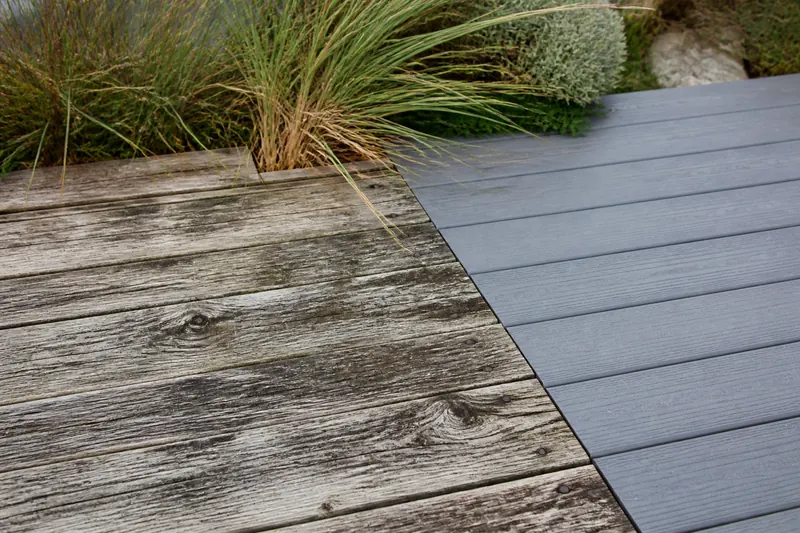
Boards get the attention, but a deck stands or falls on the frame. Ask how the joists will be supported, how far apart they will be, how the frame will be kept off wet ground and how air will move underneath. On the coast, ask for stainless steel fixings.
Some firms start with a design visit and a drawing before quoting, which helps when a garden is awkward. In Newcastle, Newcastle Decking works this way: a measured visit and concept drawing, then a timber or composite build.
Questions to ask before you agree a quote
- What is the frame made of, and how is it supported?
- What spacing do the board maker's instructions require, and will the frame meet it?
- Which fixings will be used, and are they suitable near the sea?
- How will water drain away from under the deck?
- Is a weed membrane included, and what happens to any turf or soil removed?