Fencing and boundaries
Winter gales, wet clay and shared back lanes make fencing in the North East its own subject. These guides cover what you can build, what it costs and how to make it last.
Fencing guides
Choosing a boundary
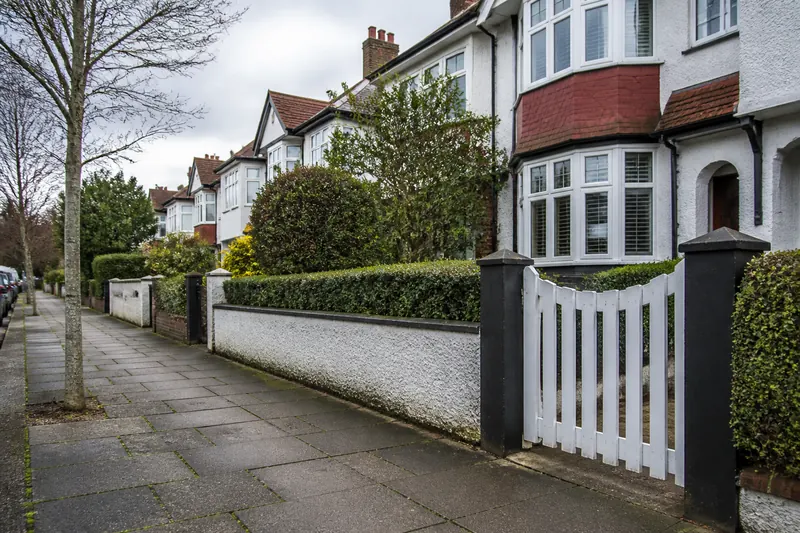
A fence gives instant privacy and takes up little room, which suits terraces and smaller semi gardens. A hedge takes years to fill out but filters wind rather than blocking it, so it can cope better on exposed plots where a solid fence takes the full force of a gale. Many gardens use both: a fence for privacy near the house and a hedge or mixed planting further out.
Whichever you choose, check who owns the boundary before you start. Deeds and the title plan sometimes show this, though often not clearly, and a friendly word with the neighbour first saves arguments later.
Making a fence last here
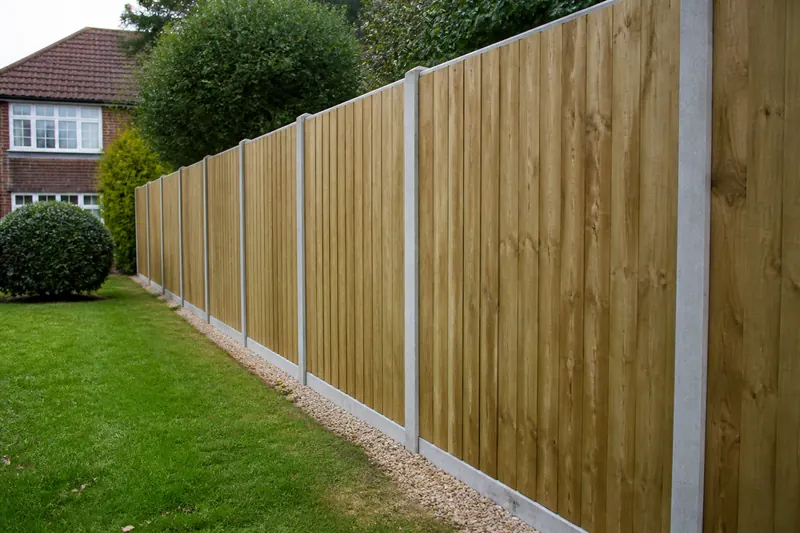
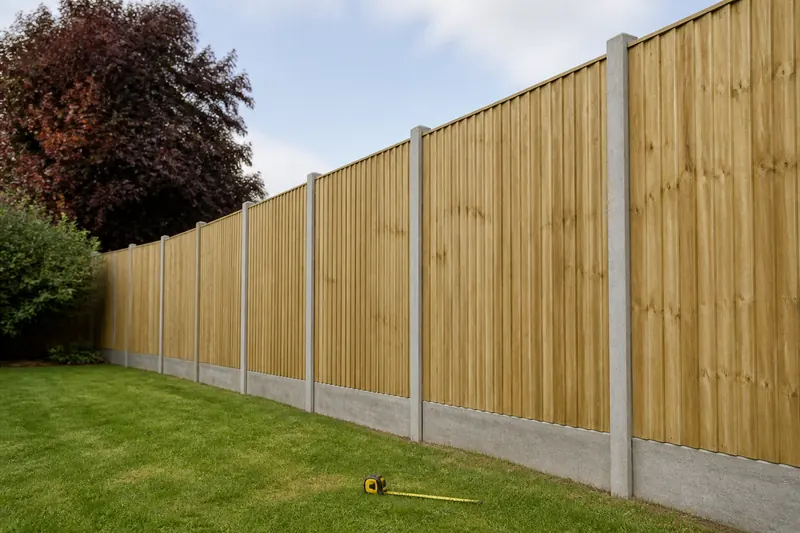
- Keep timber off the ground with gravel boards, because the bottom of a fence rots first in wet soil.
- Consider concrete posts on exposed sites; panels can be replaced after a storm without resetting the posts.
- Set posts deep enough for the height and the wind, and in proper post mix or concrete.
- Leave a small gap at the base, or a hedgehog hole, so wildlife can move between gardens.