Lawns and turf in the North East
A good lawn here has to cope with heavy clay, a late spring, wet winters and, on the coast, salt wind. These guides cover laying new turf and getting an existing lawn through the year.
Lawn guides
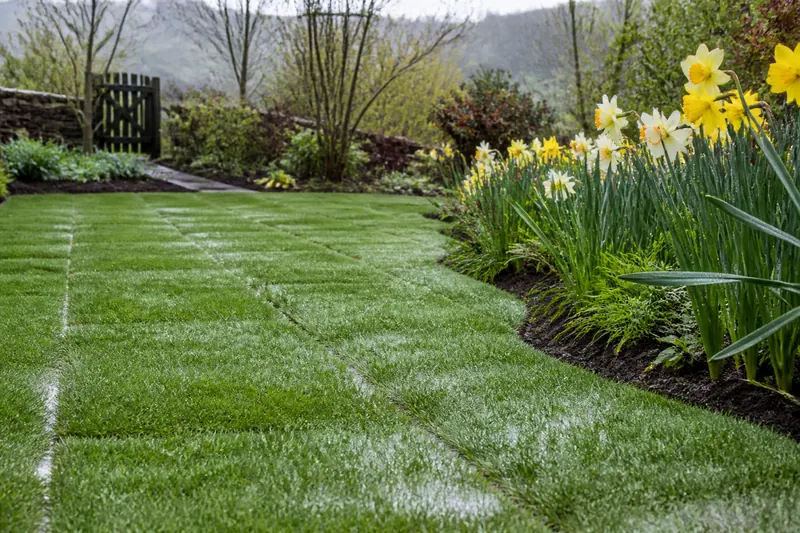 TimingWhen to lay turf in the North EastMonth by month, with why early autumn often wins.
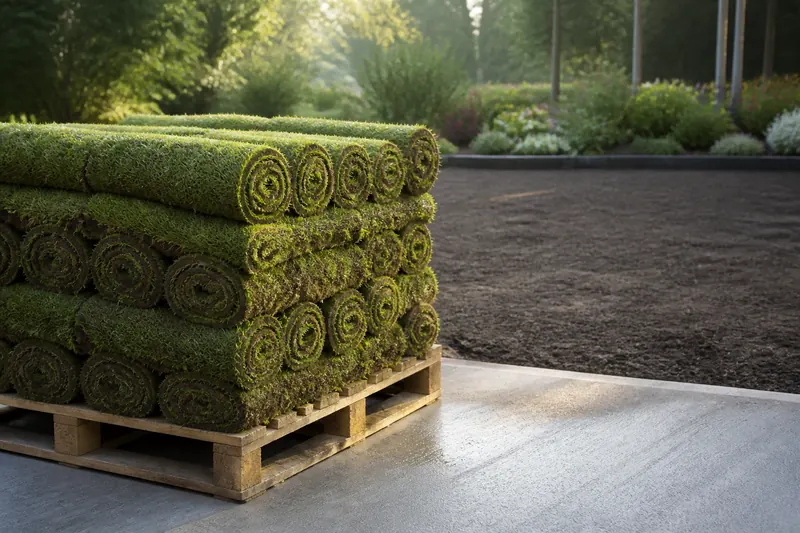 MeasuringHow much turf do I need?L-shaped yards, curves, slopes and how much extra to allow.
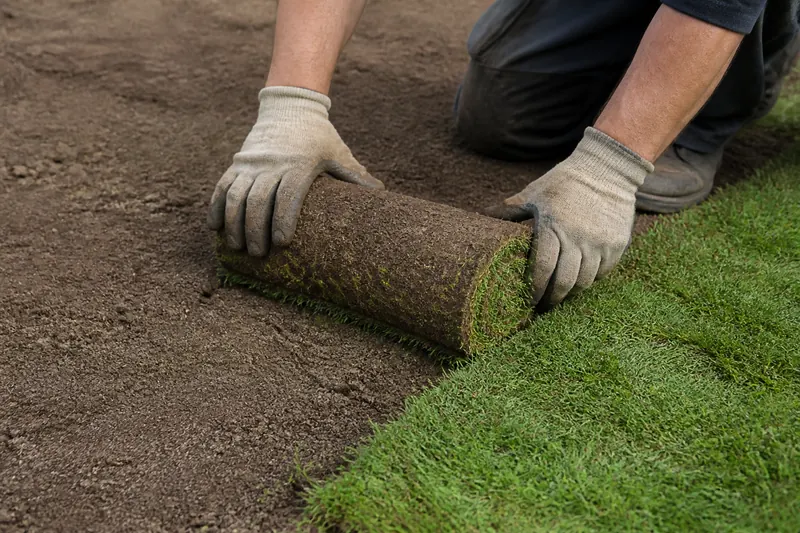 Cost guideHow much does turfing cost in the North East?Supply-only or laid, and what pushes the price up.
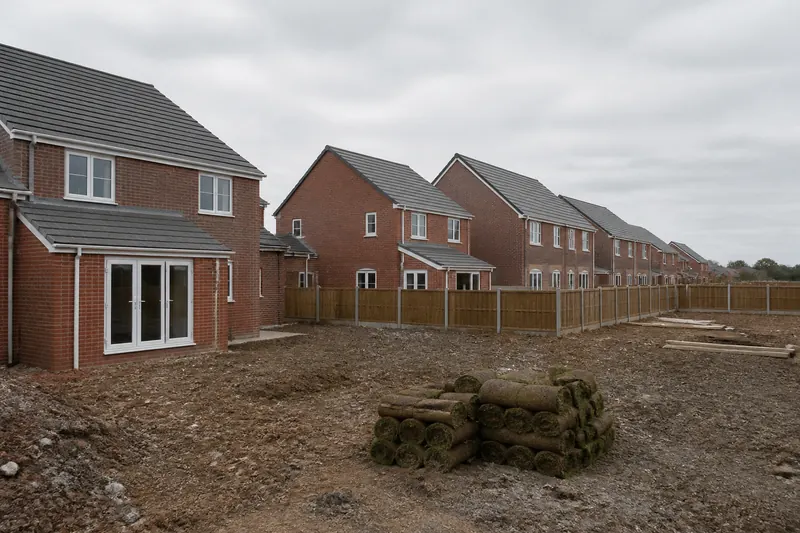
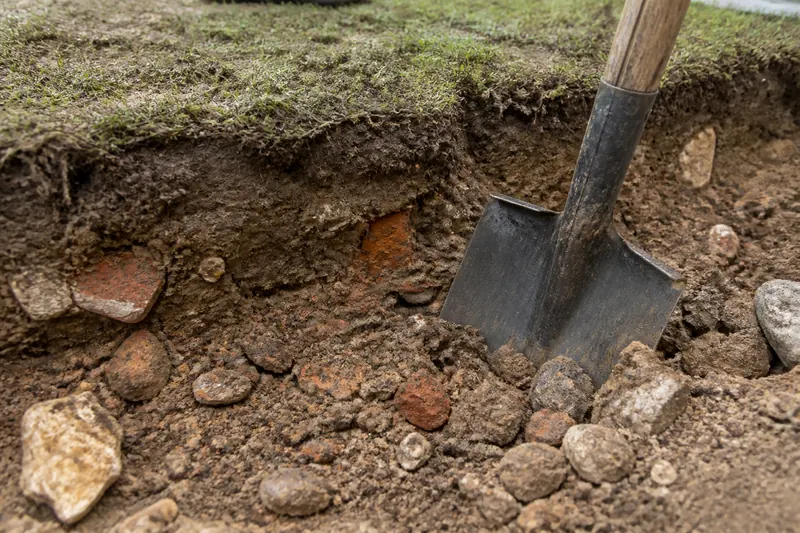 New Build GardensNew-build garden problemsWhy lawns on new estates struggle and what to fix first.
What makes North East lawns different
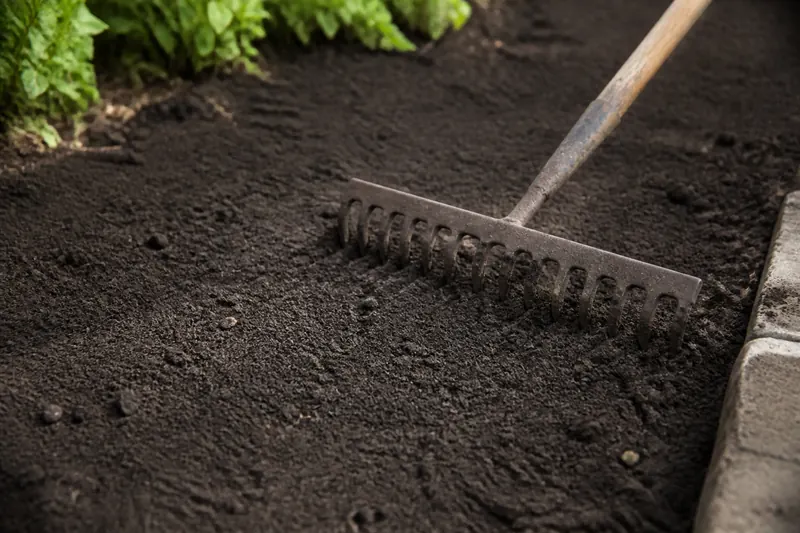
Much of the region sits on boulder clay. It holds nutrients well but drains slowly, so lawns stay soggy through winter and crack in a dry summer. Moss moves in where shade and damp combine, which is why so many lawns look tired by March.
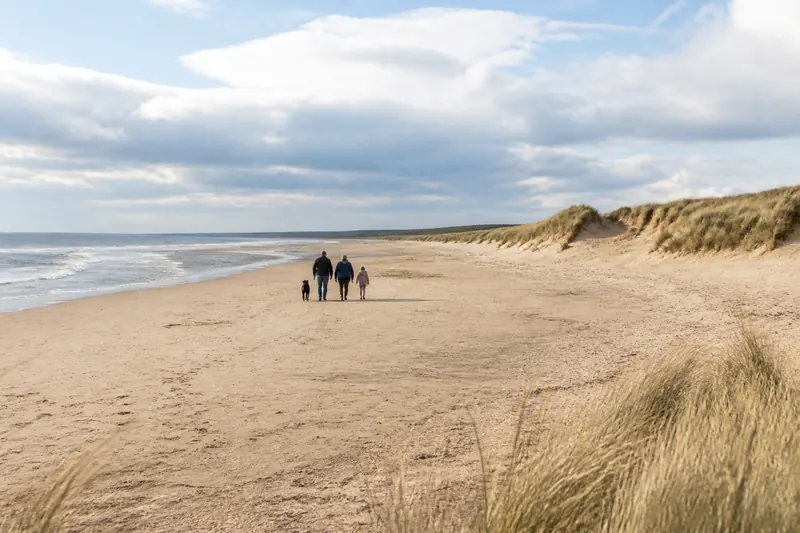
On the coast, soils are often lighter and sandier. They drain fast and warm up early, but dry out quickly, and salt carried on the wind can scorch the grass nearest the sea. Inland and on higher ground, the growing season is shorter and frosts linger later into spring.
A lawn year in brief
Spring
Start mowing on a high setting once the grass is growing steadily. Rake out moss and dead material when the ground is dry enough to walk on without leaving prints.
Summer
Raise the mower in dry spells and let the lawn go a little longer. Established grass recovers from browning once the rain returns; new turf needs watering.
Autumn
The best time for renovation: scarifying, aerating heavy clay, top-dressing and overseeding thin patches. Also a very good time to lay new turf.
Winter
Keep off frozen or waterlogged grass. Clear fallen leaves so they do not smother the lawn, and plan any bigger work for the year ahead.