New Build Gardens
New-build garden problems: rubble, compaction and thin topsoil
You get the keys, the house is spotless and the garden is a rectangle of fresh turf or bare earth. A few months later the lawn is patchy, puddles sit for days and a spade hits brick. It is a common story on new estates, and it is fixable once you know what is going on underneath.
By the Gardens North East teamPublished , 3 min read
Why new-build gardens are hard work
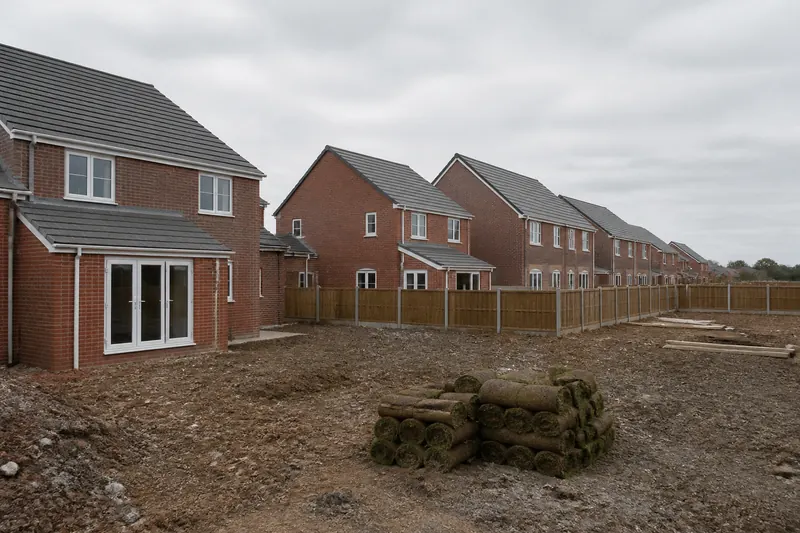
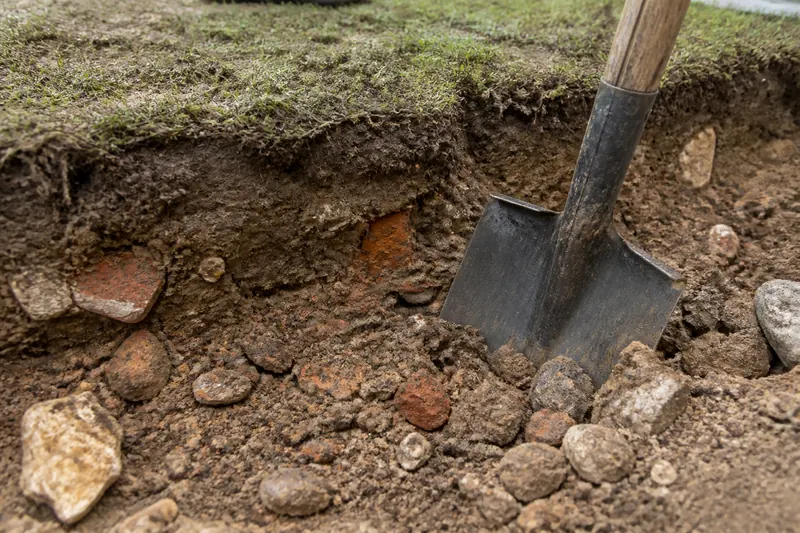
A building site spends months with diggers, dumpers and delivery lorries driving over what will become your garden. Spoil from foundations gets spread around, offcuts of block and brick get buried, and the ground is pressed hard by heavy wheels. At the end, the garden is often finished quickly to get the house ready for sale.
None of this means the builder did anything wrong by the standards of the trade. It does mean the ground under a new lawn is rarely like the soil in an established garden, and it usually needs some work before plants and grass do well.
The three usual problems
Buried rubble
Bricks, blocks, concrete splashes, plastic and wire can all end up just below the surface. Grass over rubble dries out and browns first in a dry spell, and anything you plant later hits an obstacle. It is often worst near the house and along the routes the site vehicles used.
Compacted subsoil
Heavy machinery squeezes the air out of soil. On the clay that underlies much of the North East, compaction creates a layer that water cannot get through, so rain sits on the surface and roots stay shallow. Puddles that last for days after rain are the giveaway.
Thin topsoil
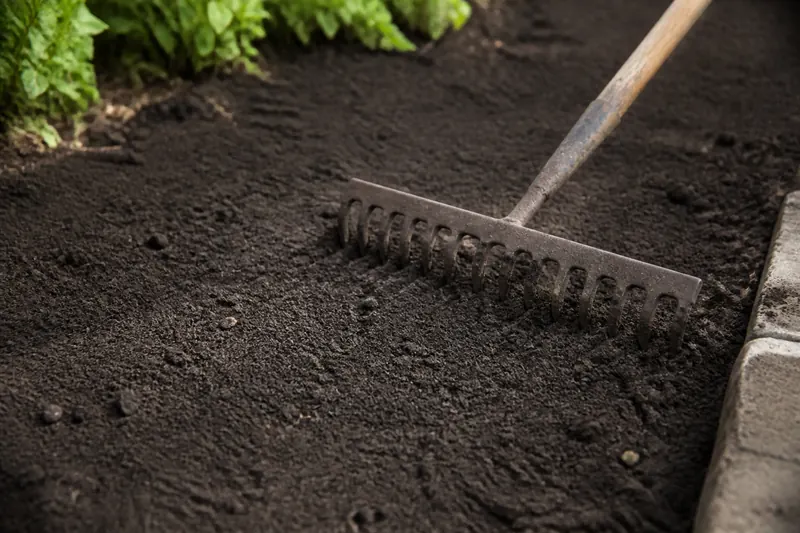
Topsoil is the dark, crumbly layer that holds nutrients and water. On some plots there is only a thin layer of it spread over subsoil before turf goes down. A common recommendation is 100 to 150 mm of good topsoil under a lawn; with much less, turf tends to struggle in its first summer.
Check your own garden in an afternoon
Dig a few test holes
Pick three or four spots, including one near the house and one at the far end. Dig down about a spade and a half. Note how deep the dark topsoil goes before it changes to paler, denser subsoil, and what else turns up.
Do a simple drainage test
Fill one hole with water, let it drain, then fill it again and see how long it takes to empty. If water is still standing hours later, drainage needs attention before anything else.
Walk it after heavy rain
Note where puddles form and how long they last. Photos on your phone help when you talk to anyone about the work.
Check the edges
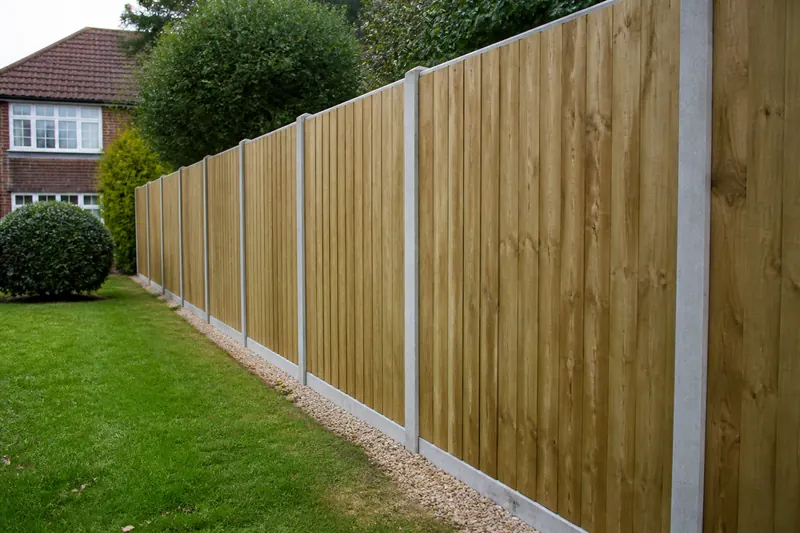
Look along fences and walls for buried concrete from post footings and paths, which can stop turf or plants reaching the soil.
What to fix first
Work from the bottom up. Clear rubble first, then deal with compaction by breaking up the subsoil. Improve drainage where the tests showed a problem, then add topsoil to a proper depth, and only then lay turf or plant. Our guide to the order of works sets the sequence out step by step, and the topsoil calculator guide shows how to work out quantities.
If the developer has a snagging or aftercare process, report serious drainage problems through it early and keep your photos. It is worth knowing what they will look at before you start digging.
If you are doing the work yourself, New Build Turf supplies turf and topsoil for new-build gardens, with guidance for each step. If you want the whole garden taken on, Turfing North East clears, prepares, topsoils, levels and turfs new-build gardens.
Tell us about yours
This guide is part of our New Build Gardens series. If you have tackled a new-build garden in the North East, we would like to hear what you found and how you fixed it. Send us your story and photos.
Questions readers ask
Is it worth lifting the builder's turf?
Not straight away. Test the ground first. If the soil underneath is reasonable and drainage is fine, the lawn may only need feeding, aerating and time. If there is rubble or very thin soil, starting again is often quicker in the long run.
Is standing water normal on a new estate?
It is common in the first winter, especially on clay. Water that sits for days after rain usually points to compaction or poor drainage, which is worth fixing before you spend money on the surface.
When is the best time to sort out a new-build garden?
Clearance and drainage work is easiest when the ground is not waterlogged, often late spring to early autumn. New turf then goes down well in autumn.
Doing it yourself?
If you are planning to fix the ground and lay a new lawn yourself, this business supplies turf and topsoil for new-build gardens, with guidance on doing the job well.
Turf and topsoil for new-build gardens, with guidance for doing the job yourself.
Whole new-build gardens taken on: cleared, prepared, topsoiled, levelled and turfed, with paving if you want it.
Some listings may be sponsored. How we list businesses
Local help
-
Groundwork North East and Cumbria
-
Northumberland Wildlife Trust
-
Eves and Lewis Landscape Design